Home finance · Solar contracts · Paid editorial
Stuck in a solar lease or loan? Start with the paperwork, not a promise
A solar contract can be a lease, a loan, or a power-purchase agreement, and each one fails differently. This page explains how to read what you signed and what a free intake review can and cannot do.
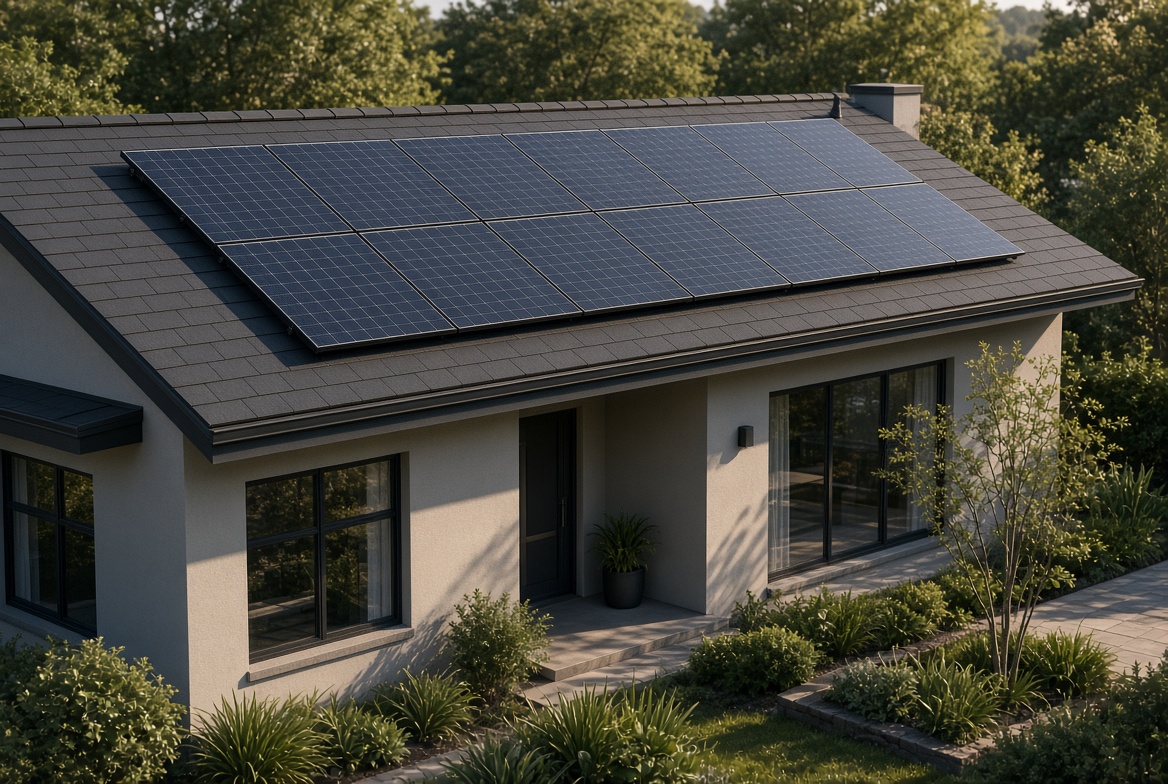
Residential solar is sold as a bill swap: you pay a lease, a loan, or a per-kilowatt-hour rate instead of, or alongside, the utility. For some households the math works. For others the first summer bill still looks familiar, the escalator in year three is higher than the kitchen-table conversation, or a buyer’s lender will not touch the house until the solar lien is explained. Those are contract problems. They are not solved by a blog post, and they are not solved by any advertisement that promises a cancellation.
See if a free intake review is availableThird-party site. Reading this page does not start a legal case.
Four deals that get called “going solar”
The label on the folder matters more than the logo on the panel. If you cannot tell which of the four you signed, that is the first fact an intake reviewer will ask you to find. Look for words like “lease,” “power purchase,” “loan agreement,” “UCC,” “fixture filing,” and “escalator.”
Why the bill does not match the presentation
Sales visits are short. Contracts are long. The gaps homeowners describe, over and over, tend to cluster.
- Production estimates. A model of sun hours is not a promise the roof will make that many kilowatt-hours. Shade, soiling, inverter faults, and a roof plane that faces the wrong way all show up later.
- The utility bill did not vanish. Most homes remain connected. Connection fees, nighttime use, and low-production months stay. A presentation that showed a near-zero bill was showing a scenario, not your next statement.
- Escalators. A payment that rises 2.9 percent a year is easy to skip past and expensive to live with. It can be in the contract you signed.
- Tax credit assumptions. A loan payment quoted “after the credit” depends on you actually qualifying for and receiving that credit. Eligibility rules change and they are personal tax facts. This page does not tell you what you qualify for.
- The roof underneath. Panels on a roof that needed replacing create a second project: removal, re-roof, reinstall, and whoever’s warranty covers the penetrations.
- The company disappeared. Installers are bought, rebranded, and sometimes gone. The lender or the funder on a lease usually remains. The warranty call and the payment are not always the same phone number.
Selling or refinancing with panels on the roof
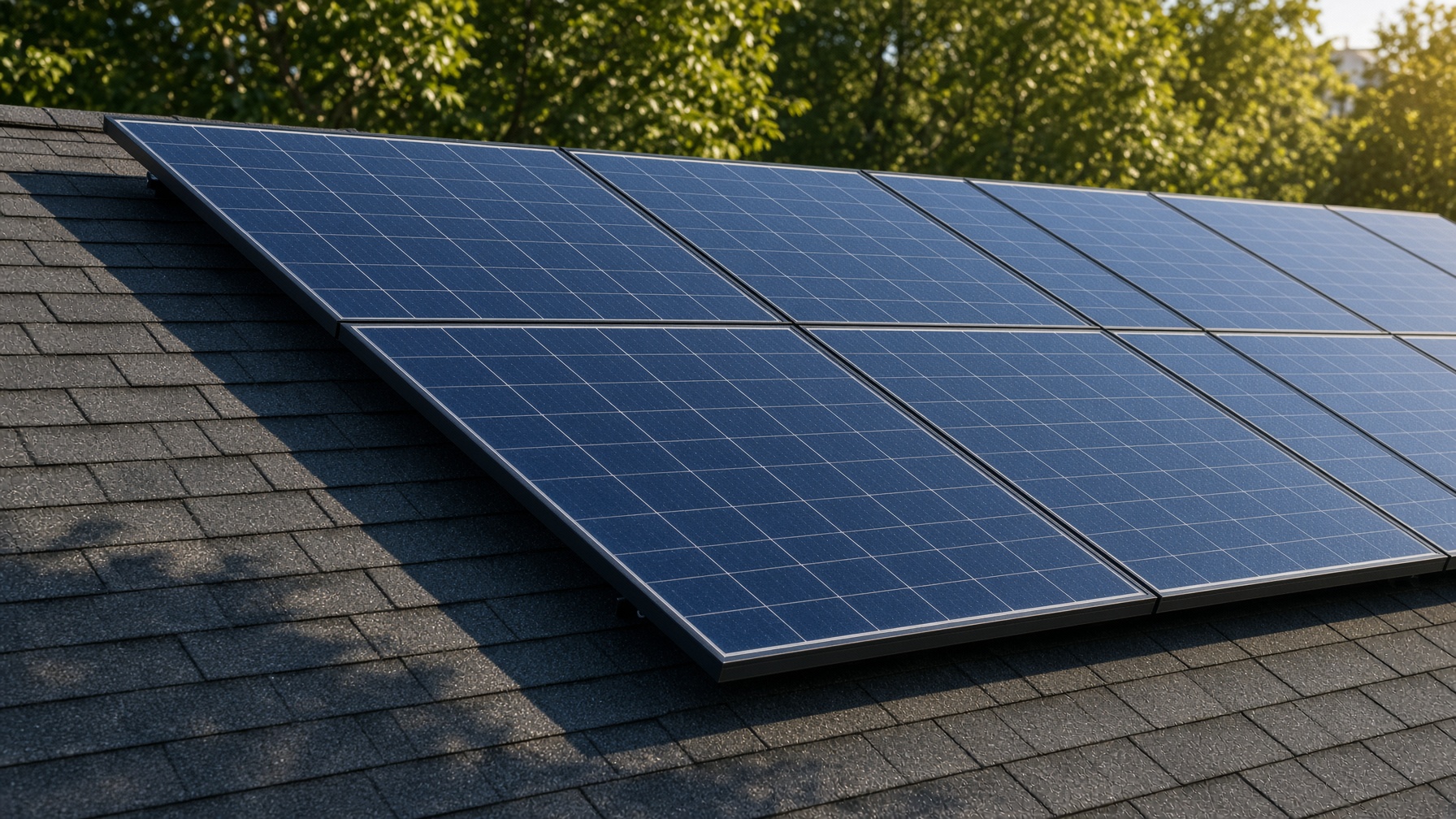
Buyers and their lenders ask who owns the system. Owned panels are simpler to explain than a lease the buyer must qualify to assume. A UCC fixture filing or a lien can show up in a title search and stall a closing until someone produces a release or a payoff. None of this means a sale is impossible. It means the solar paperwork has to be in the closing stack early, not the week of the walkthrough.
If a sales rep told you the system was freely transferable at no cost, find that sentence in the contract. Transfer fees, credit checks on the buyer, and buyout tables are often scheduled in an exhibit. The exhibit controls, not the recollection of the visit.
What a free intake review actually is
SCRC describes a two-step path. First, a free preliminary intake: you share what kind of contract you have and what went wrong, in your view. Second, if the intake team thinks the facts may fit, the matter can be referred to an independent consumer-protection firm. That firm decides whether to take it. SCRC’s own materials say timelines vary widely, that some matters take many months, and that a particular result is not promised.
Issues firms in this area sometimes review include sales statements that do not match the contract, fees or escalators a homeowner says were not disclosed, production far from the model, installation defects, and contracts that block a sale. Whether any of that is legally meaningful depends on your documents, your state, and the firm’s judgment. Solar Agreement Help will not predict which side of that line you are on.

- Gather the agreement, exhibits, loan or lease welcome letter, and a recent bill. Do not send originals.
- If you want SCRC’s intake, continue to their page and use their form or phone path. This article does not collect your file.
- If a law firm contacts you, ask who employs them, what the fee is, and what happens if they decline. Get that in writing.
- Keep paying any amount your current contract requires unless a lawyer who represents you tells you otherwise. Stopping payment on your own can create a separate default.
Claims this page will not make
- We do not say every solar contract was misleading. Some were understood and are performing as written.
- We do not say cancellation is available, fast, or certain.
- We do not say you will save a stated amount or repair your credit.
- We do not say SCRC or any law firm has a perfect record. Outcome statistics in ads are not a prediction for you.
- We do not ask you to stop speaking with your lender. Getting your own records is allowed; ignoring a lawsuit is not a strategy.
Go to the free intake pageSCRC’s site. Submitting there is optional and is not legal representation.
Questions homeowners ask before they send a file
Can any company cancel my solar contract for me?
No company can honestly promise that on an ad. A lawyer may evaluate whether a legal remedy exists. The other party, a funder, or a court may have to agree, or be ordered, before a contract ends.
Does the intake cost money?
SCRC describes the preliminary intake as free and without obligation. If a law firm later offers to represent you, that firm sets its own fee. Ask before you sign a retainer. This page does not quote a fee because we do not control one.
What if the panels are already on the roof?
Most disputes in this category start after installation. Equipment on the roof does not, by itself, end the conversation about how the contract was sold or what it says. It does complicate removal, roof leaks, and who owns the hardware.
Will this hurt my credit?
Asking a marketing service for an intake is not the same thing as defaulting. How a lender reports your loan is governed by the loan and by law. Do not expect an advertisement to control a credit file.
How long can a review take?
SCRC has said publicly that some matters take many months and that timing is not assured. Anyone who quotes you a short, certain calendar date is overselling.
Who is Solar Agreement Help?
The publisher of this advertorial. We are not SCRC and not a law firm. The link goes to SCRC’s intake page.
Continue to SCRCYou can decide later whether to share contract details.